Please ensure Javascript is enabled for purposes of website accessibility

Category: Arthritis

  • What is triscaphe arthritis and how do I treat it?

    You may have heard of rheumatoid arthritis and osteoarthritis, but have you ever heard about triscaphe arthritis? Well, if you experience joint pain at the base of your thumb where it meets your wrist — you’re likely experiencing triscaphe arthritis.

    Triscaphe arthritis is the localized inflammation of the triscaphe joint. This joint can be found in between the trapezoid, trapezium and scaphoid. It is located on the wrist. The formal name for this joint is the scaphotrapeziotrapezoid (STT) joint.

    Someone who has triscaphe arthritis most likely developed it as a result of a traumatic injury to the joint. However, it can also develop from autoimmune disorders and as a result of aging.

    What are some of the most common symptoms of this type of arthritis?

    • Sharp pain.
    • Dull, throbbing pain.
    • Stiffness.
    • Swelling.
    • Reddening skin.
    • Poor grip.
    • Weakening muscles.
    • Poor range of motion.
    • Difficulty using the thumb or hand.

    What are some of the most effective treatments for triscaphe arthritis?

    • Physical therapy sessions — Physical therapy can help individuals who have triscaphe arthritis and teach them how to appropriately treat their condition. Physical therapists can teach patients the skills they need to manage their joint pain and inflammation. During physical therapy, patients will follow a carefully coordinated treatment plan that is uniquely customized to them. PT can help reduce stiffness in the joint and decrease inflammation and swelling. Therapists can show patients a series of intentional exercises and movements that they can perform during sessions and from home to improve their symptoms.
    • Steroid injections — Steroid injections are another option that may be useful to those in need of treatment for triscaphe arthritis. These injections can provide relief from inflammation and swelling, and can additionally help reduce pain. They’re a localized treatment option for patients in need of pain relief. However, steroid injections may require a series of injections over time as the steroid wears off and pain or discomfort returns.
    • Hand splint — Hand splints are another option for alleviating arthritis symptoms. They help keep the joint from being overused and allow it to begin to rest and eventually heal. Hand splints also work by keeping the triscaphe joint in its natural position if it has shifted out of alignment. They can often be used not only to reduce pain and inflammation but also to help restore range of motion and functionality. Splints prevent the area of injury from being used so that it may repair itself without becoming frequently irritated or re-inflamed. Hand splints can be a good option for some arthritis sufferers who are looking for noninvasive and nonmedicinal methods of relief.
    • Surgery — Surgery can be helpful for some arthritis sufferers. There are a few different surgical procedures that a patient could undergo to treat their triscaphe arthritis. These include arthroplasty, trapeziectomy, and joint replacement. It’s up to you and your doctor to decide whether you think that a surgical procedure would be the best course of treatment for your triscaphe arthritis. Surgeries can be beneficial for reducing pain and inflammation in some cases while bringing on complications that reduce the quality of life in others.
    • Anti-inflammatory medications — If you’re hoping for a more immediate option to relieve your triscaphe arthritis pain, anti-inflammatory medications may be an effective treatment for you. They can help reduce inflammation and swelling while also targeting pain. However, this option only targets the hand pain and inflammation for a limited period of time before the pain returns — it doesn’t address the root of the issue. 

    Alliance PTP is ready to help you find top-notch PT for triscaphe arthritis 

    At Alliance Physical Therapy Partners, we’re proudly bringing together physical therapy practices across the country to help people get the high-quality PT they need. 

    Want to see a physical therapist in person? We can put you in touch with an Alliance PTP partner that’s close to you and that can help you address your triscaphe arthritis and help you get the right kind of treatment for it. 

    Not keen on in-person PT sessions or not close to an Alliance PTP partner? No worries. We also offer effective and affordable virtual physical therapy through our Agile Virtual Physical Therapy platform. 

    Find help for your injury or chronic condition today!

  • What a thumb arthritis test from a physical therapist may involve

    What a thumb arthritis test from a physical therapist may involve

    Before experiencing hand or thumb arthritis, the use of the thumb is often taken for granted. Yet the thumb is one of the most useful joints, and we rely on it to complete simple, necessary tasks. Some of these tasks include getting dressed, turning doorknobs and opening jars. Those experiencing hand or thumb arthritis may suddenly become aware of the thumb’s immeasurable practicality due to the increased difficulty of completing such ordinary tasks. 

    Despite thumbs being one of nature’s most handy gifts, hand arthritis — including thumb arthritis — affects about 56% of men and 63% of women from the ages of 60 to 64. It has also been shown that the incidence of hand arthritis only increases after this age range. 

    Common symptoms of hand and thumb arthritis

    Those who have thumb arthritis may experience symptoms of inflammation, deformity and pain around the thumb joint. Other symptoms may include decreased mobility and reduced range of motion within this joint. Progressive loss of function may also occur. This may be accompanied by a gradual impairment of your ability to complete everyday tasks.  

    Luckily, performing a thumb arthritis test can help to determine the severity of the arthritis and help determine the corresponding treatments that may slow down its progression and decrease symptoms. 

    What to expect during a hand or thumb arthritis test

    A thumb arthritis test or assessment may involve: 

    • Grip strength test — Your grip may be tested by gripping a grip dynamometer. You will be sitting with your shoulders in a neutral position, elbows at a 90-degree angle and thumbs pointing upward. Your strength will be measured by how firmly you can grip the dynamometer with your other four fingers.
    • Pinch strength test — Your pinch strength may be tested by pinching a pinch gauge. You will be sitting with your shoulders in a neutral position and elbows at a 90-degree angle. Your strength will be measured by how firmly you can press the gauge between your index finger and thumb.
    • Pressure pain threshold test — Your threshold to pain may be measured by using an algometer: a device that applies pressure to the troubled area. In response to the applied pressure, you will be asked to let the physical therapist know the moment the pressure begins to cause pain. 
    • Questions from your physical therapist — Your physical therapist will likely ask you many questions as part of your thumb arthritis test. Some of these may require that you recall your general pain level and general ability to perform daily tasks. That’s why it may be helpful to write some notes about when and how much pain you feel throughout the day. Notes on which tasks you have trouble doing will also be helpful to both you and your physical therapist. 

    Find out how SOL Physical Therapy can treat your hand and/or thumb arthritis

    Beyond a hand or thumb arthritis test lies many treatment options. SOL Physical Therapy offers individualized, cost-effective treatment plans. These plans can not only treat current hand or thumb arthritis symptoms but can also help prevent or slow the progression of your arthritis. 

    Contact our team today for more information about how we can treat your arthritis and its symptoms or to schedule an initial appointment. 

  • What will a physical therapist do during a thumb arthritis test?

    What will a physical therapist do during a thumb arthritis test?

    Thumb arthritis occurs when the cartilage carpometacarpal (CMC) joint ages and wears down. This kind of arthritis is fairly common, especially in older people. It cannot be cured, but it can be properly managed with the help of physical therapists. Are you someone who has thumb pain and stiffness that you believe may be caused by arthritis? If so, you may benefit from an assessment and then subsequent treatment by a physical therapist. A PT will determine if your thumb pain and stiffness is arthritis by conducting a thumb arthritis test.

    3 steps a physical therapist is likely to take during a thumb arthritis test

    1. Touch the tip of the thumb to the tip of the index finger — If the patient can touch the tip of their thumb to the tip of their index finger and create an “O” shape, this is usually a good sign. It is an indicator that they do not have arthritis in the thumb. If the patient makes a “D” shape, this indicates there may be arthritis.
    1. Use the traction-shift technique — If a physical therapist conducts this step, it typically involves pulling apart two ends of the joints in the thumb. If there is pain, this can indicate the presence of arthritis.
    1. Test pinch strength — One study found that people with arthritis in their hands have poor pinch strength. Your physical therapist could ask you to pinch something to assess your strength levels.


    These are a few of the ways your PT can help you test your thumb dexterity. It’s important for physical therapists to determine whether you have thumb arthritis so that they can ultimately help you manage your arthritis symptoms.

    We hope you choose us to help manage your symptoms

    Keeping the body moving and limber is the best way to prevent the limiting of our functional mobility as we get older. Don’t let arthritis, lingering upper extremity pain or other age-related conditions prevent you from enjoying the activities you do on a daily basis. The caring physical therapists of Peak Performance Sports and Physical Therapy understand the importance of helping people stay active to keep up their quality of life. 

    If you or someone you know is suffering from an age-related condition, like thumb arthritis, that affects your quality of life, please don’t hesitate to contact us today for more information or to schedule an initial appointment. 

  • Does arthritis cause fatigue, and can physical therapy help you manage this symptom?

    Does arthritis cause fatigue, and can physical therapy help you manage this symptom?

    About 1 in 4 adults in the United States suffers from arthritis. This condition results in severe joint pain and weakness in the hands, knees, hips and other areas of the body. Age is the most common contributing factor to developing arthritis, as the cartilage between our joints becomes thinner as we grow older. Aside from joint pain, arthritis can also cause uncomfortable swelling, redness, and a decreased range of motion, as well as pain-related fatigue.

    Why does arthritis cause fatigue?

    Fatigue is a common symptom among those suffering from arthritic diseases, such as rheumatoid arthritis, lupus, fibromyalgia and osteoarthritis. The most common cause of this symptom is inflammation. Inflammation occurs when the body’s immune system increases the flow of white blood cells to areas of injury. This causes the painful swelling and redness of arthritic joints. Fighting inflammation puts the body under a lot of stress, resulting in fatigue and exhaustion.

    Other factors that may contribute to fatigue are:

    • Side effects from medication — Arthritic patients are often prescribed pain relievers or other medications to treat the symptoms of arthritis. Many of these medications may cause drowsiness or fatigue as a side effect.
    • Lack of activity — While arthritis may make movement more uncomfortable, studies show that patients with fibromyalgia who spent less time sitting and more time doing light physical activity had lower levels of fatigue than inactive patients.
    • Loss of sleep — A good night’s rest can often be interrupted by discomfort caused by arthritis. It is important to keep a regular sleep schedule to avoid feeling fatigued and to help the body recover.

    What can I do to reduce fatigue caused by arthritis?

    The fatigue resulting from arthritis can be treated by addressing the main causes of arthritic pain and discomfort. Joint pain and inflammation makes movement more difficult and uncomfortable, but physical therapy can help reduce the pain caused by arthritic joints. In one study published in the Journal of Osteoporosis, results suggested that physical therapy helped reduce pain scores by 52% in patients suffering from arthritis of the knee.

    Our Continuum Wellness physical therapists can do a free screening of your arthritic joint to determine which symptoms you need help with. Our specialists can then build you a customized therapy plan designed to: 

    • Reduce your symptoms.
    • Help you manage them better in the future. 
    • Increase your ability to do normal daily tasks.

    Contact our team today for more information about how we can help address arthritis-related fatigue or to schedule your initial appointment. 

  • Need some stretches for hip osteoarthritis symptoms? Here are 4 that PT experts recommend

    Need some stretches for hip osteoarthritis symptoms? Here are 4 that PT experts recommend

    Hip osteoarthritis (or degenerative joint disease) is a chronic condition that causes the articular cartilage to break down. When left untreated, it can cause pain and loss of mobility in the hip joint.

    Treatment for this condition can include medication, staying active and physical therapy. Stretching exercises are a great way to help keep muscles around your hip strong and flexible. That’s why they’re often used in hip osteoarthritis physical therapy plans. If you have hip osteoarthritis, it’s important to stretch the muscles surrounding your affected joint regularly.

    There are many different types of exercises and stretches for hip osteoarthritis that you can do to keep your muscles strong and flexible. However, it’s important to talk with a medical professional, like a physical therapist, before starting any new exercises so you don’t hurt yourself.

    4 stretches for hip osteoarthritis that may help relieve some of your hip pain:

    1. Standing hip flexor stretch — Stand upright and step back with your affected leg, placing the foot flat on the floor. Next, rotate your hips forward and in the direction of the painful hip. Then, bend your knees slightly and keep pushing your hips forward slowly until you feel a stretch at the front of your hip. Hold the stretch for 15 to 30 seconds. Switch legs and stretch your other hip; then repeat the stretch until you complete three reps on each side. 
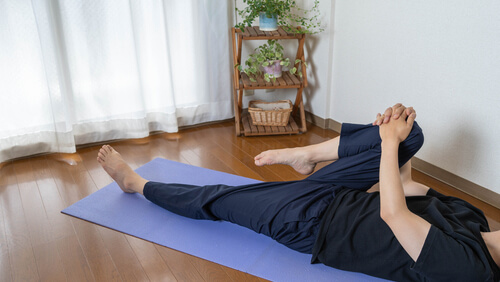
    1. Knee to chest stretch — Lie on your back with your legs extended straight out on the floor and arms at your sides. Pull one knee toward your chest by grabbing the thigh or shin with both hands. Hold for 10 seconds; then relax and repeat on the other side. Perform the stretch four times per leg. Repeat this stretch two to three times per day.
    1. Standing hip stretch — This is an easy stretch that you can do while standing in a doorway. Simply move your non-affected leg out to the side; then lean into the doorway until you feel a gentle stretch in your hip. Hold for 10 seconds and repeat on the other leg.
    1. Figure four stretch — This stretch is also quite simple and can be done while standing or sitting down. You will want to cross one leg over the other and gently pull it toward your torso until you feel a stretch in your buttock and hip. Hold for 10 seconds and then release. Repeat as needed.

    Need more than hip osteoarthritis stretches? Rehab Access PT can help

    Our Rehab Access Physical Therapy team can show you how to do many helpful stretches for hip osteoarthritis. But that’s not all they can do for your hip pain. They can do a free screening on you to uncover other ways to ease your symptoms. They can also build you a unique physical therapy plan intended to help you better manage your pain and help prevent it from interfering with your daily activities. 

    Contact our team today to learn more about our hip osteoarthritis treatments or to set up a free screening.

  • 4 factors that can determine how fast osteoarthritis progresses

    4 factors that can determine how fast osteoarthritis progresses

    Osteoarthritis is the most common form of arthritis, a condition that affects over 58 million adults in the United States alone. Osteoarthritis occurs when the cartilage between our joints gradually begins to wear away as we age. This can cause pain and discomfort in the joints, as well as a reduced range of motion, swelling and stiffness. 

    However, some people may experience more severe osteoarthritis symptoms than others. This can be due to a number of factors, and may be an indicator of how fast osteoarthritis progresses in the body.

    Here are 4 factors that determine how fast osteoarthritis progresses:

    1. Age — According to one study, between 30% and 50% of people over 65 suffer from osteoarthritis. The older we get, the more our cartilage degenerates, leading to a worsening of osteoarthritis symptoms.
    1. Obesity — People who are overweight or obese are more likely to get osteoarthritis than people who aren’t. Carrying extra weight in the body puts more stress on the knees, hips and other weight-bearing joints. This can make the symptoms of osteoarthritis grow worse.
    1. Injury — If you have had a previous injury in one or more of your joints, such as sprains, dislocations or fractures, you may be at higher risk of developing osteoarthritis. It is also likely that your osteoarthritis symptoms will be worse in the areas where you previously experienced an injury.
    1. Occupation — If you work in a job that often puts stress on your joints or requires you to perform repetitive motions, your osteoarthritis symptoms may progress faster. This can include walking, kneeling and lifting, and carrying heavy objects.

    What can I do to prevent my osteoarthritis from progressing?

    If you find that you are at risk of worsening osteoarthritis symptoms, there are several steps you can take to help manage your condition. Maintaining a healthy and active lifestyle is paramount, as are finding ways to manage your pain and stiffness from arthritis, so that your healthy lifestyle can continue unimpeded. 

    Physical therapy is an excellent tool to help prevent the progress of osteoarthritis symptoms. A free screening at one of our Whatcom Physical Therapy clinics can be the first step to helping you maintain your quality of life with osteoarthritis. We pride ourselves on excellent patient care and using innovative techniques to slow symptom progression and preserve independence.

    Contact our team today for more information or to schedule an initial appointment to begin treating your osteoarthritis.

  • How should I sleep so that I’m more comfortable with shoulder arthritis?

    How should I sleep so that I’m more comfortable with shoulder arthritis?

    If you have been thinking, “How should I sleep with shoulder arthritis?,” you aren’t alone.

    Many people with shoulder arthritis cannot sleep on their sides or stomachs because of their pain. Shoulder arthritis can cause a lot of other sleep problems, too. Especially if the shoulder joint is worn, sleeping on your side will often make the shoulder feel worse in the morning.

    Trying to sleep on your back with your shoulders supported is usually the best option for those who suffer from shoulder arthritis. However, even this position can be problematic. Many people with shoulder arthritis are plagued by muscle spasms in the upper back and neck, which can make it painful to lie flat on your back for extended periods of time. People trying to figure out how to sleep more comfortably with shoulder arthritis can turn to physical therapists for help. 

    Tips physical therapists often give to their shoulder arthritis patients to help them sleep better

    Figuring out how you should sleep so that you’re more comfortable can be challenging for those with shoulder arthritis. Here are some tips a physical therapist can offer that may help you:

    • Get a new pillow — A pillow that supports the neck and head but doesn’t push too hard against the shoulders may help some people. Finding a pillow to support you without aggravating your shoulder may take some experimenting. If possible, bring home several different samples and try them out before you buy anything.
    • Put pillows around you — You can use extra pillows to hold you in a comfortable position while you’re sleeping. This can help relieve shoulder pressure and keep you from rolling onto your bad shoulder. You can also invest in body pillows for this purpose.
    • Stretch before bed — Try one called the standing arm swing. This exercise can help increase the flow of blood to the shoulder joint. Exercises such as this one can improve flexibility and mobility in your upper back and shoulders when performed as part of a pre-sleep stretching routine. To start this exercise, your arms should be by your sides as you stand tall. Engage your core and swing your arms upward. Then, return your arms to their starting positions and repeat. Keep it up for 30 to 60 seconds. 

    Other helpful tips 

    There are several other tips that can help keep your shoulders from becoming painful when you’re sleeping. You should try to keep comfortable during the day by resting your shoulders frequently. You should also try to sit in an ergonomic chair if it is available for you at work.

    Additionally, don’t sleep in awkward positions if you can avoid it, as this tends to make shoulder arthritis symptoms worse. If you do wake up in an awkward position, try gently moving your shoulder through its range of motion. This can help ease pain and stiffness, which can help you get back to sleep easier.

    Find help for your shoulder arthritis-related sleeping difficulties at Panther PT

    The question, “How should I sleep with shoulder arthritis?” can best be answered by a medical professional. That includes our team of experienced physical therapists at Panther Physical Therapy. Our PT experts can help you with shoulder arthritis in a variety of ways. The most important of these is by creating an individualized PT plan for your affected shoulder. 

    Contact us here at Panther Physical Therapy to schedule a free screening or to find out more about how we can help your shoulder arthritis.

  • 6 physical therapy methods that can help ease knee osteoarthritis symptoms

    Knee osteoarthritis is the most common form of arthritis. It is caused by the breakdown of cartilage, which cushions and protects the ends of bones in your knee joint. Cartilage breakdown causes pain, stiffness and swelling in your knee, thus creating the need for knee osteoarthritis physical therapy.

    Treatment for knee osteoarthritis may include medications, physical therapy and surgery. Knee osteoarthritis physical therapy can help you reduce pain, improve joint mobility and prevent further damage to your knee. It’s an important part of treatment for many people, especially those with mild symptoms.

    Physical therapy options for knee osteoarthritis include:

    1. A therapeutic exercise plan

    The basic goal of therapeutic exercise is to help improve mobility, strength and balance. This can help relieve some of the pain, while also preventing deformities in the joints. A physical therapist can design programs specifically for your condition.

    1. Electrical stimulation

    This technique promotes healing by stimulating blood flow to the affected area. After an injury, electrical stimulation has been shown to reduce pain and swelling and speed up recovery. During rehabilitation, this treatment can also reduce the risk of further injury.

    1. Heat and cold therapies

    Heat or cold packs can also reduce inflammation at home. The application of a heat pack followed by the application of an ice pack may be more beneficial than each applied alone.

    1. Manual therapy

    Physical therapists manipulate your soft tissue with their hands to treat you. The practitioner may use constant pressure or stretching to relieve muscle spasms and increase blood flow.

    1. Range-of-motion exercises

    Many people with arthritis find that range-of-motion exercises help relieve the pain in their joints and increase mobility and flexibility. Range-of-motion exercises are easy for many people to perform and do not typically require any special equipment.

    1. Strength training

    Strengthening exercises can help muscles around the affected joint area and ligaments become stronger over time. This can help stabilize bones and reduce strain on the affected joint area. Exercises can be done with weights, stretch bands or resistance machines.

    The great thing about strength training is it can be done at home in addition to in your PT sessions.

    Learn more about physical therapy for knee osteoarthritis at Armor PT

    A variety of treatment options exist for knee osteoarthritis, but there is no one-size-fits-all solution. Fortunately, our Armor Physical Therapy team can help you find the right combination of rest, exercise and other management options so you can find relief from arthritis pain. 

    Contact us today to set up your initial appointment to have your knee evaluated by one of our experienced physical therapists.

  • Why does physical therapy work for arthritis?

    Why does physical therapy work for arthritis?

    There are many people with false preconceived notions about physical therapy. Some people think that it’s only useful after you’ve had surgery, and others may not think it’s useful at all. 

    Unfortunately, false notions like these often prevent people from seeking physical therapy. Many people who develop musculoskeletal disorders don’t use physical therapy. One study illustrates the extent of the problem: It reveals that of the people who had musculoskeletal problems, only about 7% of them received physical therapy. 

    Arthritis is one of the most common musculoskeletal disorders, and physical therapy really does work for this chronic condition. 

    Three reasons why physical therapy does work for arthritis: 

    1. It’s individualized — One reason physical therapy does work for arthritis patients is that it’s individualized. Physical therapists will take the time to evaluate how arthritis is affecting you. Then, they’ll create a therapy plan that’s designed to meet your specific needs. In many cases, your therapy plan will contain different therapy techniques from the plans of others with the exact same type of arthritis. 
    1. It’s designed to be gentle — Arthritis patients are often worried about increasing their pain. Physical therapists strive to ensure that your treatment plan doesn’t increase your pain. For instance, your therapist will be gentle when using their hands to do techniques like joint mobilization. They’ll also work with you to find exercises that benefit your joints without increasing pain. 
    1. It’s backed by research — Arthritis therapy techniques aren’t just made up on the spot. They’re backed by years — often decades — of medical research. This research is designed to ensure that the techniques your therapist uses are: 
    • Safe
    • Effective
    • Beneficial

    Find highly effective physical therapy for your arthritis at Excel PT

    Keen to find physical therapy that does work for your arthritis? Our team at Excel Sports & Physical Therapy is ready and willing to help you find effective care for your arthritis. We offer free screenings that can help us learn what type of arthritis you have and how it’s affecting you. 

    Also, our physical therapists excel at creating personalized treatment plans designed to reduce pain and improve joint mobility. You can even sign up for at-home care and virtual therapy sessions and treat your arthritis from home. 

    Contact our team today for more information about the services we offer for arthritis sufferers or to schedule your initial appointment. 

  • Three stretches physical therapists use for hip arthritis

    Arthritis can make your hips feel tight and difficult to move, and this can make you feel like you don’t want to move around as much. In turn, not moving around enough can actually increase your hip arthritis pain. 

    There are many people who experience this chain of circumstances. In fact, medical studies report that 18.5% of men and 28.6% of women develop hip osteoarthritis in their lifetime. Fortunately, physical therapists can help you find effective stretches and other treatment techniques for hip arthritis. Some stretches that your physical therapist may recommend to ease your hip arthritis symptoms include the: 

    1.  Inner leg stretch
    Purpose: The inner leg muscles are also called the hip adductors, and stretching these muscles can help reduce hip arthritis pain. 

    How to do the inner leg stretch:

    • Sit down on the floor. 
    • Bend your knees so that the soles of your feet are touching. 
    • Keep your feet on the floor, and place your hands on top of your knees.
    • Apply light downward pressure on your knees until you feel a stretch in your inner thighs. 
    • Hold this stretch for 10 to 15 seconds. 
    • Release the pressure on your knees and rest for a few seconds. 
    • Repeat the stretch until you’ve done it five to 10 times. 

    2.  Knees-to-chest stretch

    Purpose: Tightness in the glutes and lower back muscles can lead to greater hip arthritis pain. The knees-to-chest stretch can help reduce the tightness in these muscles and decrease your pain.

    How to do the knees-to-chest stretch:

    • Lie down on your back with your legs straight out. 
    • Slowly lift both knees up toward your chest. 
    • Place your hands on your legs just below your knees.
    • Gently pull your knees toward your chest until you feel a stretch in your butt and lower back. 
    • Hold this stretch for 20 to 30 seconds. 
    • Repeat this stretch as necessary throughout the day.

    3.  Double hip rotation stretch

    Purpose: This stretch is designed to reduce tension in the hip abductors, glutes and lower back, which can help reduce hip arthritis discomfort. 

    How to do the double hip rotation stretch:

    • Lie down flat on your back with your legs straight. 
    • Bend your knees until both of your feet are flat on the floor. 
    • Slowly rotate your knees to the right while rotating your head to the left at the same time. Your goal should be to touch your right knee to the floor. Be sure to keep your knees together throughout the movement. 
    • Hold this position for 20 to 30 seconds. 
    • Return your knees and head to the neutral position. 
    • Slowly rotate your knees to the left and your head to the right to stretch your other side. 
    • Hold this position for 20 to 30 seconds. 

    Want to find more stretches and physical therapy methods for hip arthritis? Armor PT can help

    Stretches aren’t the only useful technique that physical therapists can use for hip arthritis. Our team at Armor Physical Therapy can show you all the other treatment options we offer for your arthritis. We can start by doing a free screening of your affected hip. This is intended to help us learn how your arthritis is affecting you. 

    In addition, our physical therapists excel at building personalized therapy plans designed to reduce your arthritis pain and improve your joint mobility. We can even help you treat your symptoms from home using our virtual therapy or at-home care services. 

    Contact us today for more information about how we can help treat your hip arthritis or to schedule your initial appointment.

  • How can physical therapy be helpful for neck arthritis?

    How can physical therapy be helpful for neck arthritis?

    Neck arthritis, or cervical spondylosis, is a condition that can dramatically affect your daily life. Fortunately, physical therapy can be very helpful for managing neck arthritis. 

    The knowledge that physical therapy is useful for cervical spondylosis could be useful to many Americans. After all, one medical study reports that 90% of men over 50 and women over 60 have begun to develop neck arthritis. Physical therapists have many techniques that they can use to help your cervical spondylosis symptoms. These techniques can lead to significant benefits for your neck arthritis. 

    Three ways physical therapy can be helpful for neck arthritis

    Physical therapists have an intimate understanding of the structures of your neck since they have spent years learning about this and other parts of the human musculoskeletal system. This knowledge allows them to offer physical therapy that’s helpful for neck arthritis. A few of the benefits that physical therapy can offer for this condition include: 

    1. Increasing your ability to look around — A normal neck allows you to turn your head from side to side with ease. This movement is vital for looking at objects, such as when you’re watching a family member play baseball. However, cervical spondylosis tends to reduce your ability to turn your head. 

    Physical therapists can use a technique called therapeutic exercise to help improve your neck range of motion (ROM). A study of this technique found that 10 days of it helped cervical spondylosis patients improve their: 

    • Right rotation by nearly eight degrees.
    • Left rotation by more than six degrees. 
    1. Reducing pain — Neck arthritis also tends to inflame neck structures, which triggers pain. Decreasing and managing this pain is a key way physical therapists can help you. 

    Often, your specialist will use a therapy method called spinal manipulation to help treat neck arthritis pain. One study reveals that this technique helped reduce patients’ numeric pain rating scale (NPRS) scores by nearly three points on average after just two sessions. 

    1. Managing symptoms in the long term — Physical therapists want to help you manage your symptoms more effectively over the long term. Research shows that a technique called the McKenzie Method® can help meet this goal. 

    The McKenzie Method is used to diagnose, treat and provide education about many spinal issues, including neck arthritis. A study found that using this therapy method can have long-term benefits for this condition. This study reports that a neck pain sufferer reported their pain hadn’t returned one month after completing their treatment. 

    Continuum Wellness offers effective physical therapy for neck arthritis

    Are you suffering from neck arthritis? Our physical therapy team at Continuum Wellness is prepared to help you manage and treat the symptoms of this issue. We’ll start by doing a free screening on your neck. This helps us determine which symptoms you have and how severe they are.

    Additionally, our physical therapists excel at building customized therapy plans designed to offer all the benefits above and more. Even better, you can start treating your symptoms without leaving home if you sign up for an at-home care or virtual therapy session with us.

    Contact our team today for more information about our neck arthritis treatment options or to schedule your initial appointment. 

  • What can physical therapy do for your neck arthritis?

    What can physical therapy do for your neck arthritis?

    Physical Therapy for Neck Arthritis

    There are many things that physical therapy can do for people with neck arthritis. But you have to be open to trying physical therapy in order to get the benefits it can offer. 

    Neck arthritis is also called cervical spondylosis, and it affects a huge percentage of Americans. One medical study reports that more than 85% of Americans over 60 have neck arthritis. Doing regular physical therapy sessions is just one way you can manage your neck arthritis symptoms; yet, this is a type of treatment you should consider since it offers multiple benefits for those who have neck arthritis. 

    Physical therapists have a solid grounding in the human musculoskeletal system, which includes the structures of the neck. This knowledge and the experience of treating neck arthritis allow physical therapists to offer several key benefits to patients with this condition. Some of these benefits include: 

    1. Education — It’s harder to know what can help you manage neck arthritis more effectively if you don’t know much about it. Physical therapists can inform you about this condition. They can help you learn such information as: 
    • What symptoms neck arthritis causes. 
    • Movements that can aggravate your symptoms. 
    • Things you can add to your daily routine that can help reduce your symptoms. 
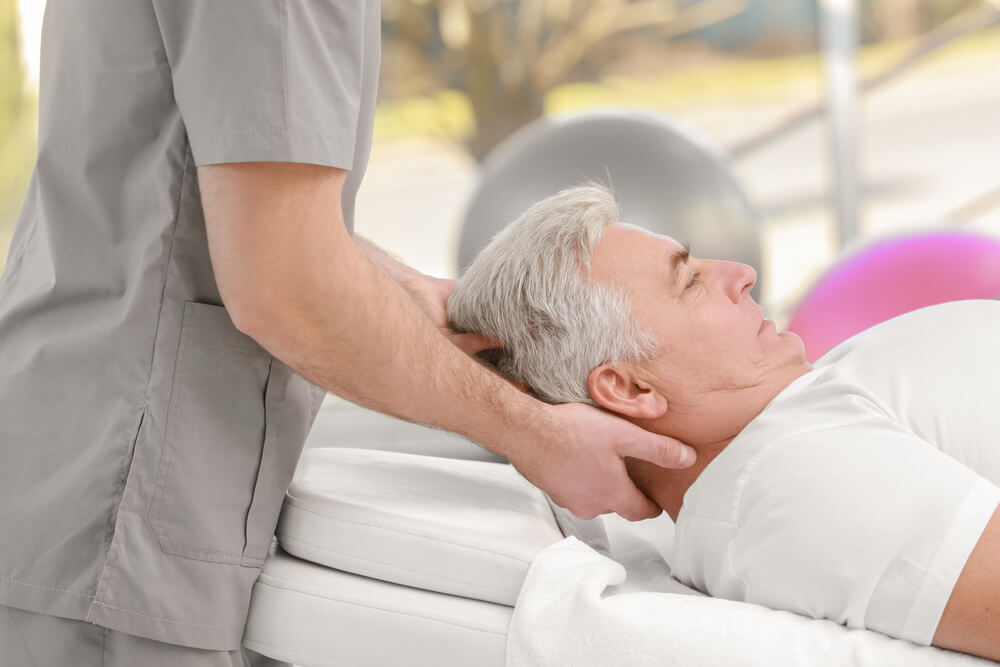
    1. Pain reduction — Neck arthritis can literally be a pain in the neck. Trouble managing this pain is one reason why people seek help from a physical therapist. Physical therapists can use manual therapy methods to help ease neck stiffness and pain. They can also demonstrate therapeutic exercises designed to decrease pain and improve neck strength. 
    1. Range-of-motion improvement — How much you can tilt and turn your head is an indication of how good your neck range of motion (ROM) is. Often, neck arthritis sufferers experience decreased neck ROM. Physical therapy sessions can allow you to improve your neck ROM, and they can help improve your ability to do normal daily activities. 
    1. Slowing arthritis progression — Arthritis is a condition that progresses over time. Slowing the progression of your neck arthritis is a benefit that physical therapy can offer. One way your physical therapist can help with this is by making ergonomic recommendations. Such recommendations typically involve things like: 
    • Paying closer attention to the positioning of your neck and head. 
    • Adjusting your computer monitor to reduce neck strain. 
    • Purchasing an ergonomic office chair. 

    Find effective physical therapy for neck arthritis at Back in Motion

    Not sure where to turn for top-notch physical therapy for neck arthritis? Our Back in Motion Physical Therapy team is primed to help you find the help you need for this condition. We offer free screenings that can confirm your neck symptoms are being caused by arthritis. 

    Additionally, our physical therapists are adept at creating personalized therapy plans designed to offer neck arthritis patients all the benefits above and more. We even offer at-home care and virtual therapy services that allow you to treat your symptoms from home. 

    Contact us today for more information about our arthritis treatment services or to schedule an initial appointment. 

When Was Your Appointment?

We recently changed bill pay providers. Please click the button for the date of your appointment to be directed to the correct online payment portal.