Please ensure Javascript is enabled for purposes of website accessibility

Category: Shoulder Pain

  • Two shoulder injuries you could get from a fall

    Two shoulder injuries you could get from a fall

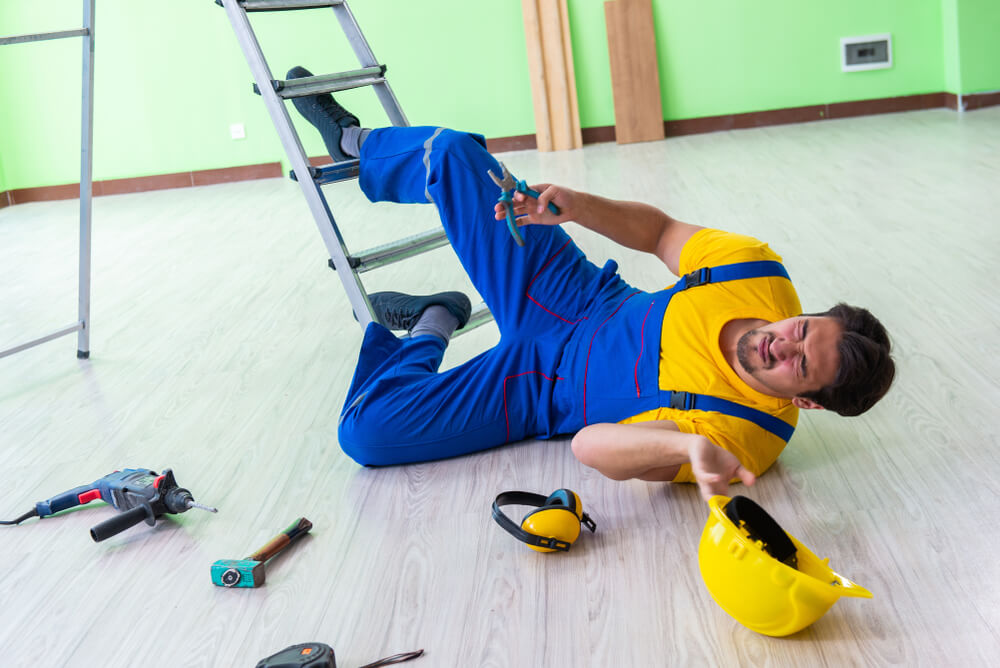
    Falling is one of the most common ways to injure yourself. In fact, the National Council on Aging (NCOA) reports that more than 2.8 million fall injuries are treated by hospital emergency rooms every year. Many of these include shoulder injuries, and it’s important to be aware of which shoulder injuries are most common after a fall. This is especially true if your job increases your risk of falling, you play a sport or you have balance issues. Here are two shoulder injuries that you could get from a fall: 

    1. Shoulder dislocation

    One of the most serious shoulder injuries you could get from a fall is a dislocated shoulder. This issue is when the ball of the upper arm bone pops out of the shoulder socket. The action of dislocation requires a lot of force, and this force can come from falling onto your outstretched hands during a fall. The force can also come from falling on your shoulder directly. 

    If you dislocate your shoulder in a fall, there are several symptoms that you’ll notice. Most commonly, you’ll likely notice that your shoulder looks deformed, and this is because the ball of upper arm bone is out of place. It’s also common to feel severe pain when a shoulder has been dislocated. Another symptom you could have is not being able to move your arm; many people also report swelling and bruising with a dislocated shoulder. 

    1. Rotator cuff tear

    Another shoulder injury that commonly comes from a fall is a rotator cuff tear. The rotator cuff is a group of muscles and tendons, and the job of these four muscles and tendons is to keep the upper arm bone seated firmly in the shoulder socket. The impact of a fall can easily cause the rotator cuff to overstretch and tear. Also, repetitive shoulder movements could cause rotator cuff wear, and this could increase the risk of a rotator cuff tear from a fall. 

    People with a rotator cuff tear typically experience several symptoms. Commonly, this injury causes a dull, aching pain in your shoulder, and the pain could make it hard to sleep or do routine tasks. In addition, rotator cuff tears can make it harder to lift your arm, and this is especially true if you’re trying to lift your arm over your head. Reaching the injured arm behind the back can also be difficult and painful with a rotator cuff tear. 

    Find help with a shoulder injury from a fall at Continuum Wellness

    At Continuum Wellness, we’re proud to offer highly effective physical therapy in Apache Junction, Arizona. If you’re dealing with a shoulder injury from a fall, our team has several ways we can help you. We offer free screenings that can help you learn how your shoulder has been injured. Our team can also build you a personalized treatment plan that’s intended to treat the symptoms and underlying cause of your injury. We have experience with many effective therapy techniques, and some of the techniques we can include in your plan are: 

    Take the next step to start getting our help for your injury. Contact our team today for more information or to schedule an initial appointment.


  • Neck, shoulder and arm pain with numbness in the fingers — what does it mean?

    Neck, shoulder and arm pain with numbness in the fingers — what does it mean?

    It is common for patients to experience neck pain that is accompanied by shoulder pain, arm pain and numbness in the fingers. This group of symptoms can range from a relatively mild inconvenience to a debilitating problem that affects nearly every aspect of your life. Everything from driving to work in the morning to getting a good night’s sleep can be disrupted. What’s worse, it can be difficult to identify the source of the symptoms, making it easy to feel confused and hopeless as you seek relief. 

    If you are experiencing this group of symptoms, it is extremely important to seek diagnosis and treatment from a qualified health care professional. While in many cases these related issues are caused by nerve compression in the upper spine, there are a range of other potential causes. For most diagnoses, physical therapy is a highly effective form of treatment.

    Take some time to read this quick overview we created to help you better understand the specific ways that physical therapy can help with neck, shoulder and arm pain with numbness in the fingers. To learn more or for answers to any of your questions, do not hesitate to reach out to our caring and dedicated team. 

    Physical therapy for neck pain and radiating symptoms 

    The neck and upper spine are a common source of these types of symptoms due to the high concentration of nerves in this area. Here, the spinal cord travels from the brain out to the extremities, carrying important sensory and motor information to the body. That’s why conditions such as a herniated disc or spinal arthritis can cause radiating symptoms in addition to localized pain when they compress a nerve. 

    While physical therapy cannot “cure” these conditions, it can be an extremely effective form of management by accomplishing the following goals: 

    • Strengthening supporting muscles in the neck to relieve pressure on the nerves
    • Increasing range of motion in the neck, shoulders, arms and fingers
    • Using manual therapy and trigger point therapy to relax tense muscles and decrease problems like tingling and numbness
    • Improving posture and alignment through targeted exercises and treatment

    Working with your therapist requires trust and communication, which is why it is so important to find a practice that takes a compassionate, patient-centered approach to your treatment. 

    Work with the neck pain experts at Rehab Access

    When you come to one of our state-of-the-art physical therapy clinics, we’ll work with you on a one-on-one basis to develop a custom-tailored treatment plan. Our talented staff has decades of experience in helping patients manage neck pain and related symptoms — and we’re passionate about delivering compassionate care. 

    Don’t let neck pain run your life for another day; contact us today and schedule your initial appointment. 

  • Two stretches that can help with shoulder pain from sleeping

    Two stretches that can help with shoulder pain from sleeping

    The shoulder is a complex joint, and it’s used to do many tasks that you do every day. While sleeping is usually good for the body, it can cause issues in the shoulder and neck. Usually, such issues are a result of poor head and neck support, but they could also be caused by sleeping in a position that puts too much strain on the neck and shoulder. If you’re dealing with shoulder pain from sleeping issues, there are two stretching exercises that can help treat your pain. 

    1. Head tilt

    For many people, shoulder pain from sleeping is located in the top of the shoulder, and it may run all the way into the neck. To help treat pain in these areas, the head tilt stretch is an excellent option. 

    Start the head tilt by sitting up straight in a stable chair. You’ll also want to position your head so that it’s centered over your shoulders, and your arms should be allowed to hang straight down by your sides. Once your body is in this position, you’re in the starting position for this stretch. From here, slowly tilt your head to the left like you’re trying to touch your left ear to your left shoulder. Keep tilting your head until you feel a stretch in the right side of your neck. Then, hold the stretch for 15 to 20 seconds before returning to the start position. Repeat these steps to stretch the other side of your neck, and continue repeating them until you’ve stretched both sides three to five times. 

    1. Child pose

    Child pose is a position you may have heard of because it’s commonly used in yoga routines. This pose is also a fantastic stretch for the muscles on the back of your shoulder, and that’s why it can be so helpful to people with shoulder pain from sleeping. 

    To prepare yourself for the child pose, kneel down on the floor with the tops of your feet flat on the floor. You’ll then want to let your butt drop until it’s resting on your legs. From this starting position, slowly bend forward from the waist with your arms straight out above your head. Continue to bend forward until your palms touch the ground, and once they do, let gravity press you toward the floor to stretch the back of your shoulders. Hold this position for about a minute, and then you can slowly return to the starting position.

    Find more treatment options for shoulder pain from sleeping at Advent Physical Therapy

    Are you tired of living with shoulder pain from sleeping? Advent Physical Therapy has physical therapy that can help you. Our team will start your treatment process by doing a free screening to determine the source of your pain. Then, we’ll create a personalized treatment plan for you that uses therapy techniques such as: 

    Contact our team today for more information or to schedule an initial appointment to start treating your shoulder pain from sleeping.

  • Three phases of physical therapy after rotator cuff surgery

    Three phases of physical therapy after rotator cuff surgery

    The rotator cuff is a shoulder structure that’s made up of four muscles and tendons. This part of your shoulder is vital for moving your arm, and it also helps keep the upper arm bone firmly seated in the shoulder socket. When the rotator cuff is torn, surgery may be required to repair it. After your surgery, physical therapy can help your shoulder heal, and physical therapy after rotator cuff surgery tends to fall into three distinct phases. 

    1. Passive movement

    The first phase that patients will encounter when doing physical therapy after rotator cuff surgery is passive movement. Passive movement is when you’re letting movement of other parts of the body move your shoulder. This type of movement also relies on the downward pull of gravity to move the shoulder. 

    For example, the pendulum swing exercise is a passive therapy exercise that’s often used for rotator cuff recovery. To do this exercise, you’ll place the hand of the unaffected arm on a table or flat surface. Using this hand for support, you’ll then bend over so that the affected arm is hanging straight down. Next, move your body back and forth or side to side. As you move, allow the affected arm to swing freely, but keep the movements small at first. 

    1. Active motion

    After the passive motion phase, your physical therapy after rotator cuff surgery can move on to the next phase, which is active motion. This type of motion requires that you use your shoulder and arm muscles to move your shoulder, and the exercises in the active motion phase of therapy are intended to help improve range of motion. 

    An excellent example of an active motion exercise is lying external rotation. Before beginning this exercise, you’ll need to lie down on your unaffected side, and you can do so on the floor or on your bed. Position your arm so that the upper arm is close to your side, and the forearm should be bent at 90 degrees with your hand resting on your stomach. 

    From this starting position, slowly raise your hand until it’s level with your upper arm. Make sure the upper arm stays close to your side during this movement. Hold this position for three to five seconds, and then slowly lower your hand back to the start position. Repeat this movement until you’ve completed eight to 10 reps, but make sure you stop if your shoulder starts to hurt. 

    1. Strengthening

    The third phase of physical therapy after rotator cuff surgery involves strengthening the shoulder muscles. In many cases, this is done using resistance band exercises like the resisted shoulder extension exercise. 

    To do this exercise, tie the resistance band securely to the doorknob of a closed door. Then, step back from the door with the band held in the hand of your affected arm. Your arm should be held straight down at your side, and there should be a slight tension on the band now. Once in this position, slowly pull the band backward until your hand is just past your hip and hold this position for two or three seconds. Then, slowly move your arm back to the start position with a controlled motion. You don’t want to let the band pull your arm forward. For best results, complete 10 to 15 reps as long as you can do so without pain. 

    Find post-rotator cuff surgery physical therapy at Armor Physical Therapy

    If you’ve recently had rotator cuff surgery in southwest Michigan, Armor Physical Therapy can help you recover after surgery. Our team is highly trained in therapy techniques such as: 

    We can combine these and other techniques to create a therapy plan that’s personalized to you. 

    Contact us today for more information or to schedule an initial appointment to begin your physical therapy after rotator cuff surgery. 

  • Three treatments for frozen shoulder pain down the arm

    Three treatments for frozen shoulder pain down the arm

    Adhesive capsulitis is a condition that gradually causes decreased range of motion in the shoulder. Also called frozen shoulder, this condition can also lead to a high level of pain, and the pain can even be felt down your arm at times. Physical therapists have several techniques that can help with the pain of this condition. Here are three methods physical therapists can use to treat frozen shoulder pain down the arm: 

    1.   Joint mobilization

    Have you ever noticed that moving a joint makes it less stiff and painful? Well, this is the reason that physical therapists use joint mobilization to treat frozen shoulder pain that runs down the arm. 

    Joint mobilization is a type of manual therapy that involves the therapist using their hands to move your shoulder. These movements are designed to mimic ones that are within the shoulder’s normal range of motion. The therapist uses their hands to perform the movements because they may be ones you aren’t able to do on your own. By mobilizing the shoulder joint, therapists can help reduce shoulder stiffness and pain. 

    2.   Kinesiotherapy

    Kinesiotherapy uses specially designed tape to benefit patients with many injuries and medical conditions. One issue it can help treat is frozen shoulder pain that’s running down your arm. 

    The tape used for kinesiotherapy is designed to gently lift the skin away from the upper arm and shoulder. This allows it to increase the blood flow to your affected shoulder, and the increased blood flow can be helpful in several ways. For instance, more blood flow means that more nutrients and oxygen can get to the affected joint and the muscles that support it. Also, endorphins have a better chance of getting to the painful shoulder when there is more blood flow. This is helpful because endorphins are the body’s natural pain relievers.

    3.   Trigger point therapy

    Another reason you may be feeling pain down the arm when you have frozen shoulder is trigger points. Trigger points may not be something you’ve heard of, but the odds are good that you know what one feels like. Trigger points tend to feel like knots of tension in the muscles. In many cases, they feel harder than the tissue around them, and they may also be tender to the touch. 

    Trigger points can develop in your arm muscles when you have frozen shoulder. The reason this can happen is this condition restricts how much you’re moving the arm muscles. Also, the pain of frozen shoulder could be causing you to tense your muscles to hold the shoulder still. Together, these can lead to trigger points in your arm muscles, which can make it feel like frozen shoulder pain is spreading down your arm. Using specific pressing and massaging movements, therapists can break down trigger points, and these movements are called trigger point therapy. 

    Find help with frozen shoulder at Excel Sports & Physical Therapy

    Do you feel like the pain of frozen shoulder is moving down your arm? Are you unable to do even basic daily tasks because your shoulder is so stiff? Excel Sports & Physical Therapy can help. Our team offers free screenings that can identify which frozen shoulder symptoms you’re experiencing. This information can then be used to build a personalized treatment plan for you, and your plan will be designed to provide benefits like: 

  • Three shoulder injuries common in tennis players

    Three shoulder injuries common in tennis players

    Tennis is a lot of fun to play, and it can be a fantastic way for adults to stay active in Ellisville, Missouri. However, it also requires repetitive shoulder movements. This is a problem because these movements can lead to several types of shoulder injuries. There are three tennis-related shoulder injuries that avid players may develop. 

    1.   Shoulder impingement

    The rotator cuff is a group of four muscles and tendons in your shoulder. It helps keep your upper arm bone firmly seated in the shoulder socket when the arm moves. The repetitive arm movements of tennis can lead to a shoulder injury called shoulder impingement. This occurs when the rotator cuff muscles get pinched by the end of the collar bone. Shoulder impingement can lead to pain in the shoulder, but it can also make it harder to do overhead movements like serving. 

    2.   Rotator cuff tendinitis

    Tennis-related arm movements can also lead to a shoulder injury called rotator cuff tendinitis. This occurs when the rotator cuff tendons are overstressed, causing microscopic tears in the tendons. In turn, this can lead to swelling in the front of the shoulder, which may move into the side of the arm. Pain when raising and lowering your arm is another symptom of rotator cuff tendinitis, and you may also hear a clicking noise during arm movements if you have this condition. 

    3.   Shoulder bursitis

    Shoulder bursitis is another of the shoulder injuries tennis can lead to. Bursitis is an inflammation of the cushioning bursa in a joint, and this inflammation can be caused by repetitive tennis movements. In the shoulder, there is a bursa located between the top of the upper arm bone and the clavicle. It’s job is to protect the tendons of the rotator cuff, but it can actually end up pinching them if you develop shoulder bursitis. The inflammation of bursitis can also lead to visible swelling of the shoulder and pain in the joint. 

    Ellisville, MO, residents with shoulder injuries can find help at Excel Sports and Physical Therapy

    If you have a shoulder injury from tennis, our Excel Sports & Physical Therapy clinic in Ellisville can help you. We offer one-on-one initial screenings that can help you determine what type of injury you have. Our team can also create a personalized treatment plan for you, and your plan can be designed to include techniques like: 

    Take the next step to reduce your pain and get back to the tennis court. Contact our team today for more information or to schedule an initial appointment.

  • Three common golf injuries treatable in Saint Charles, MO

    Three common golf injuries treatable in Saint Charles, MO

    Golf isn’t a sport that many people think of when it comes to sports injuries. Although there isn’t injury-causing body contact like in football or rugby, golfers have their fair share of injuries. If you’re an injured golfer in Saint Charles, Missouri, you may be happy to know that there are physical therapists nearby, and these professionals can help you treat three common golf injuries. 

    1.   Golfer’s elbow

    Golfer’s elbow is a condition that’s similar to the more well-known tennis elbow, but this condition causes you to have pain and irritation of the inner elbow and forearm rather than the outer. Also called medial epicondylitis, this common golf injury can cause pain when you’re making a fist or twisting your forearm, and it can also lead to forearm swelling. Golfers aren’t the only people who can get golfer’s elbow; people who perform repetitive motions like shoveling, painting, throwing or weightlifting should also watch out for symptoms of this injury. 

    2.   Back injury

    It’s not surprising that golfers can also get several types of back injuries since there are frequent bending and twisting motions necessary to play golf. Golfers typically have to bend over from the waist to hit the golf ball, and they may be doing this movement hundreds of times during the five or six hours one round takes. This bending places a lot of pressure on the lower back, and the increased pressure can lead to strained back muscles and herniated discs. The same injuries can also result from the twisting motion your back does during your golf swing.

    3.   Shoulder injury

    Shoulder injuries are another type of common golf injury, and they’re usually caused by the repetitive movements golfers make during their swing. Also, accidentally striking roots, rocks or other hard objects while swinging your club can lead to a strained shoulder muscle. Poor posture during your swing can also put extra stress on your shoulders, and this could result in an injury to your rotator cuff. 

    Swing over to Excel Sports & Physical Therapy for help with common golf injuries

    If you’ve injured yourself playing golf, there’s a physical therapy team in Saint Charles that can help you with your injury recovery. This team can be found at Excel Sports & Physical Therapy. Our team will work one-on-one with you to determine what injury you have and what its root cause is. Then, we’ll build you a personalized physical therapy plan, and this plan can make use of many physical therapy techniques, such as: 

    Are you ready to start treating your golf injury? Contact our team today for more information or to schedule an appointment. 

  • Effective rotator cuff injury treatment in Saint Peters, MO

    Effective rotator cuff injury treatment in Saint Peters, MO

    Are you feeling a shooting pain when reaching over your head for something? This may be a sign that you have a rotator cuff injury, and this isn’t an injury you should ignore. However, some people in Saint Peters, Missouri, may also be looking for treatment options that are both natural and effective. If you’re one of these people, physical therapy is an option you should consider, and there are three tips on how to treat a rotator cuff injury you’ll hear from therapists here in town. 

    1.   Take the time to rest your shoulder

    Some people are so eager to begin the healing process that they forget one of the most important parts of it: rest. However, this is an important tip when it comes to treating a rotator cuff injury. 

    Resting the shoulder allows your body to begin its natural healing processes, and the period of rest should continue until your pain lessens. This could take a few days or up to a week depending on the severity of your injury, and you may want to consult your doctor if you aren’t sure it’s time to begin therapy. 

    During the rest period, you should avoid reaching over your head or lifting objects with the affected arm. While this may make things awkward for a few days, it can also give you a solid foundation to begin your physical therapy. 

    2.   Talk to your physical therapist about joint mobilization

    The rotator cuff is an important part of what helps your shoulder joint move, so treating a rotator cuff injury typically involves therapies that focus on this joint. Joint mobilization is a type of manual therapy that can be used to help your rotator cuff heal. Therapists will use their hands to slowly move your shoulder through various movements during this treatment, and its goals are to reduce restriction and pain in the joint. 

    3.   Use soft tissue mobilization to reduce tension

    When treating a rotator cuff injury, tension is an area your therapist should address. Naturally, you’ll feel that you should move your shoulder and arm as little as possible. This is helpful during the resting phase of your recovery, but it can lead to increased tension in the soft tissue of your shoulder. With soft tissue mobilization, a physical therapist uses specific movements to reduce tension in shoulder soft tissue. This may benefit your recovery by decreasing tension, improving the shoulder’s ability to move, and reducing pain. 

    Find out about the natural rotator cuff treatment options at Excel Sports & Physical Therapy

    Excel Sports & Physical Therapy has a clinic in Saint Peters, and we’re proud to offer natural and effective physical therapy to this community. We can help you figure out how to treat your rotator cuff injury and many other common issues. Our treatment plans are personalized to your needs, and they’re based on firsthand information from a one-on-one screening. Your personalized plan can include therapy techniques like:

    Take the next step to reduce your pain and heal your shoulder. Contact our team today for more information or to schedule an appointment. 

  • How physical therapists in Saint Charles, MO, can treat shoulder impingement

    How physical therapists in Saint Charles, MO, can treat shoulder impingement

    If you have dull, consistent pain in your shoulder that is worse when you raise your arm over or behind your head, you may have shoulder impingement. This is a condition that occurs due to repetitive use of the shoulder in activities like swimming, throwing a baseball or lifting objects overhead onto shelves. 

    Shoulder impingement can make it difficult for you to use your arm for daily activities and can keep you from participating in sports. Fortunately, physical therapists can help you recover from shoulder impingement so you can regain the use of your arm. 

    Treating shoulder impingement with physical therapy

    Treating shoulder impingement with physical therapy can reduce your need for pain medication. It can also prevent the need for surgery in cases where shoulder impingement grows worse without treatment.

    Physical therapists have many methods for treating shoulder impingement. At Excel Sports and Physical Therapy in Saint Charles, Missouri, we customize our shoulder impingement treatments to the needs of each patient. Usually, our shoulder impingement treatments will include:

    • Stretches and exercises — Stretches and exercises can improve the strength and flexibility of your shoulder. This helps provide support for the shoulder to reduce pressure off the injury, which reduces pain and helps improve the speed and quality of your recovery.
    • Manual therapy — Physical therapists may use hands-on manual therapy techniques like joint mobilization and soft tissue mobilization. These treatments help you regain your range of motion and can soothe some of your pain.
    • Posture education — Poor posture can contribute to the development of shoulder impingement. Sitting with your shoulders hunched over puts strain on the tendons at the front of your shoulder. This strain can become more apparent during physical activities involving the shoulder, which can cause shoulder impingement.
    • Functional training — Physical therapists use functional training to show you how to correctly use your shoulder in specific applications such as lifting or throwing objects. 

    Visit Excel Sports and Physical Therapy in Saint Charles, MO, for shoulder pain treatment

    Shoulder impingement can keep you from enjoying many of your favorite activities. Our team at Excel Sports and Physical Therapy in Saint Charles doesn’t want you to miss out on what you love. Contact us today for more information about shoulder pain treatment or to schedule an initial appointment.
  • Recovery time for a rotator cuff tear that does not need surgery

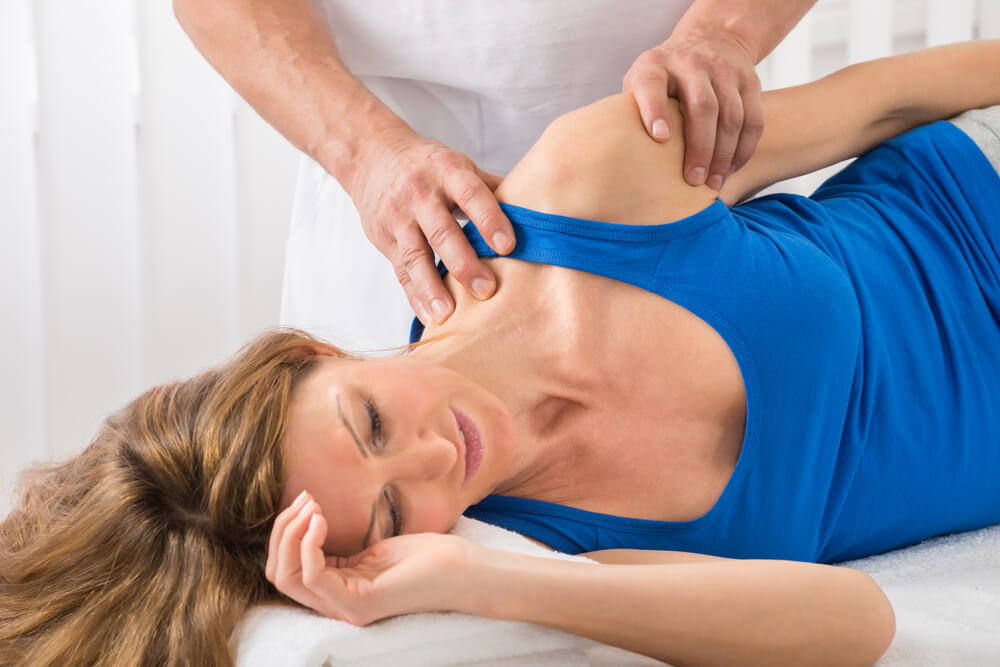
    Recovery time for a rotator cuff tear that does not need surgery

    Rotator cuff tears can be a painful and disruptive injury. This relatively delicate array of muscles is built to withstand the pressure put on it during everyday activities, but strains and even tears can develop under too much stress. This is particularly true for athletes, weightlifters and people who work physical jobs that require repetitive lifting and other shoulder movements. 

    While surgery is a common treatment for rotator cuff tears, it is possible for a tear to heal on its own under proper care. If you are trying to recover from a rotator cuff tear and want to avoid surgery, you still may be anxious to know what the recovery time is before you can resume regular activity, such as your job or favorite sport. 

    Never rush your rotator cuff tear recovery

    Recovery time can vary from patient to patient, but in general it can take up to six months or longer of rest and treatment for a tear to heal. It is critical not to rush back into physical activity that stresses the shoulder as this can increase the likelihood that the injury will worsen and surgery will be required. 

    Along with other treatment methods, physical therapy is a fundamental part of treatment for rotator cuff tear recovery. A qualified therapist can perform movement tests, review diagnostic imagery and ask questions about your pain to assess biomechanical issues that are putting extra stress on the shoulder. From there, he or she can work with you to develop a physical therapy program to strengthen the shoulder and promote the healing process. 

    How physical therapy can help the healing process for rotator cuff tears

    Physical therapy for rotator cuff tears can include the following: 

    • Strength and stability exercises to better support the shoulder
    • Range-of-motion exercises to learn proper biomechanics and increase flexibility
    • Manual therapy to activate the shoulder and relax tense muscles in the rotator cuff

    You will also receive instruction on topics like good posture, eating a healthy diet, and proper stretching and warm-up techniques for physical activity. 

    At SSOR, we can help you develop a treatment plan for a rotator cuff tear that gives you the best chance of a speedy recovery without the need for surgery. We do this through expertise and one-on-one care that always keeps you as the focus of treatment. 

    To learn more and schedule your initial appointment today, contact one of our friendly and caring representatives today.

  • Four steps of rotator cuff treatment

    Rotator cuff tears can be very common due to the stresses we put on this relatively delicate group of muscles and connective tissue. When doing everything from lifting a box to swinging a golf club, we rely on our rotator cuffs to perform the full range of motion required of our arms and shoulders.

    If you’re suffering from shoulder pain related to a rotator cuff tear, it’s important to seek treatment from a qualified health care professional. By helping you learn techniques to stretch, strengthen and stabilize this important area, a physical therapist can provide effective rotator cuff tear treatment that helps the healing process and is designed to provide long-term wellness and relief.

    At Armor Physical Therapy, we want to give you practical information about treatment options available to you. Read this brief overview of the steps you can take to find relief and don’t hesitate to reach out if you have any questions or would like to learn more.

    1. Make an appointment

    Our friendly staff will make it as convenient as possible to schedule an appointment that fits the needs of your busy schedule. When you arrive we can help you complete any necessary paperwork and administrative steps and answer any questions you may have.

    2. Undergo a full evaluation

    Our highly skilled and experienced clinicians will review your full medical and treatment history, perform a thorough physical examination, ask questions about your lifestyle and symptoms and assess your movements. The goal is to determine the underlying causes of your pain and injury.

    3. Receive treatment recommendations

    Depending on the cause and severity of your injury and your unique individual needs, your therapist will help you develop a customized rotator cuff treatment plan. Physical therapy typically involves some combination of active and passive treatments such as manual therapy and therapeutic exercise.

    4. Attend follow-up sessions

    Physical therapy takes time and commitment to truly be effective. This is why it’s important to consistently attend your ongoing appointments and follow any instructions for supplemental at-home treatment. By committing to your physical therapy treatment plan, you can begin to build strength, stability and range of motion in your shoulder that can help your body naturally recover from injury.

    Rotator cuff tear treatment from the experts

    Our compassionate and credentialed team believes in delivering exceptional care that puts you at the center of the treatment experience. We have years of combined experience in providing effective rotator cuff treatment that can help you get back to the quality of life you deserve.

    To learn more and schedule your initial appointment, contact us today.

  • Three steps to shoulder pain treatment in Ellisville, MO

    Three steps to shoulder pain treatment in Ellisville, MO

    Shoulder pain can be related to a range of causes, including sports injury, traumatic injury and age-related conditions like arthritis. Because this part of the body has so much stress placed on it from activities like lifting, throwing and pulling, these issues affect a large number of people.

    Living with shoulder pain can make it difficult to accomplish many of the daily tasks we take for granted, like getting dressed or driving to work. Fortunately, there are a number of effective treatment options available for relief, including physical therapy.

    If you’re looking for effective shoulder pain treatment in Ellisville, Missouri, the caring team at Excel Sports and Physical Therapy can help. We have a state-of-the-art clinic right in Ellisville to serve local patients. Read on for three easy steps to getting in touch with us to start your journey toward relief.

    Follow these steps for shoulder pain treatment at Excel

    Since opening our first clinic in 1984, we’ve been serving patients in eastern central Missouri with personalized, compassionate care. Here’s how we can help you find relief from shoulder pain:

    • Speak with your physician — To receive physical therapy in Missouri, you must receive a referral from your physician.
    • Contact our caring and dedicated team — A member of our Ellisville team will be glad to help you schedule your initial appointment.
    • Receive an evaluation from one of our experts — After completing any necessary paperwork, one of our clinicians can review your medical history, ask about your symptoms and perform a physical assessment of your shoulder and the surrounding area. From there, you can begin to develop a treatment plan that is custom-tailored to your needs.

    Physical therapy sessions typically consist of a combination of active therapies, that you perform yourself, and passive therapies, that the therapist performs on you. Methods can include therapeutic massage, range-of-motion exercises and stretches, and strength and stability exercises.

    Exceptional care right in Ellisville

    Get the relief you deserve so you can get back to your life and the people you love. Don’t let shoulder pain hold you back another day. Contact a member of our team and schedule your initial appointment today.

When Was Your Appointment?

We recently changed bill pay providers. Please click the button for the date of your appointment to be directed to the correct online payment portal.